Explore our library, where insights, press articles, and events are organized by tags, making it easy to find relevant topics.
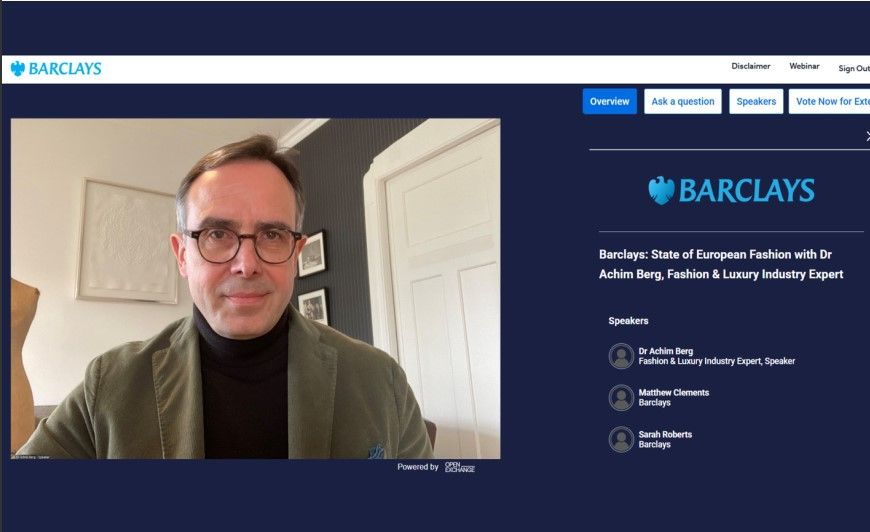
event February 2025 Barclays Fireside Chat
In a conference call with Matt Clements and Sarah Roberts from Barclays Equity Research, Achim Berg discusses the state of the European fashion industry, exploring key challenges and future opportunities.
white paper February 2025 HindSIGHT report No 1
Over the past 25 years, the fashion and luxury industry has created significant value, reflected in the massive personal wealth amassed by its super-winners. Using Forbes data as a proxy, the industry now ranks as the third-largest wealth creator, behind technology and finance. Yet, much like the rapidly evolving fashion landscape, the list of billionaires and their net worth is also undergoing a dynamic redistribution. Examining the patterns of wealth creation within the fashion and luxury industry offers inSIGHTS not only into this industry’s evolution over time and its current state, but also into where it may be headed next.
(Released on February 28, 2025)
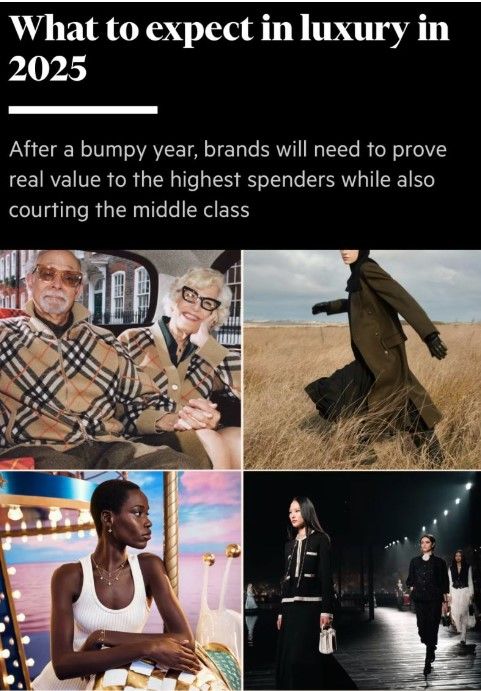
press December 2024 Getting dressed will be fun again
Financial Times by Kati ChitrakornAchim shares his perspective on the key themes shaping the fashion industry in 2025.
After a drop in global sales of personal luxury goods in 2024, the industry is hopeful for modest recovery in 2025. Achim highlights the need to correct overinflated pricing and notes that structural changes, including the offloading of underperforming assets, may be necessary. Ethical and social responsibility will remain critical and growth opportunities will be mostly seen in emerging markets. Major deals in the fashion industry are unlikely in the near term due to stagnant IPO markets. Nevertheless, Achim predicts further consolidation across the industry in the months ahead as well as a shift back to a more personal, individualistic style.
press December 2024 What's behind the merger of Zalando and About You
WirtschaftsWoche by Lisa Ksienrzyk and Nele Antonia HöflerAchim shares his views on the Zalando-About You merger and the ongoing consolidation of online marketplaces in the fashion industry. Zalando announced plans to acquire the fashion retailer About You from the Otto Group for € 1.13billion, thereby strengthening its market position while About You will continue to exist as an independent brand. The acquisition also includes the technology platform Scayle, which will be strategically integrated into Zalandoin the future. Experts see the deal as a necessary step to streamline the market and fend off competition from large Chinese players such as Shein and Temu.
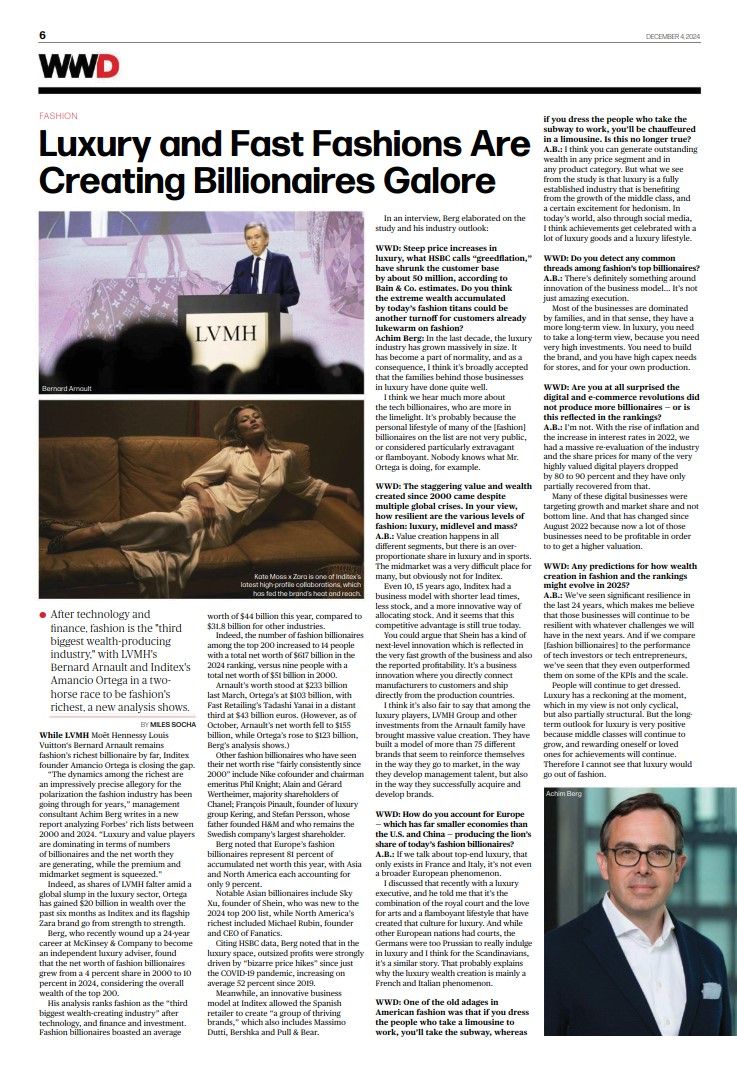
press December 2024 Luxury and Fast Fashions Are Creating Billionaires Galore
WWD by Miles SochaAchim talks to WWD about our research on the fashion and luxury industry’s wealth creation.
Fashion and luxury billionaires, led by LVMH’s Bernard Arnault and Inditex’s Amancio Ortega, have solidified their wealth despite global crises and a pandemic, with fashion and luxury ranking as the third-largest wealth-creatingindustry after technology and finance. The analysis highlights the polarizationin the industry, where luxury and value players dominate, while the mid-market struggles. It also showcases a dominance of European-based billionaires that account for 81% of the sector’s net worth. Looking forward, business model innovations, such as Inditex’s agility and Shein’s direct-to-consumer approach,coupled with the growing middle-class worldwide, suggest a resilient and prosperous future for fashion and luxury.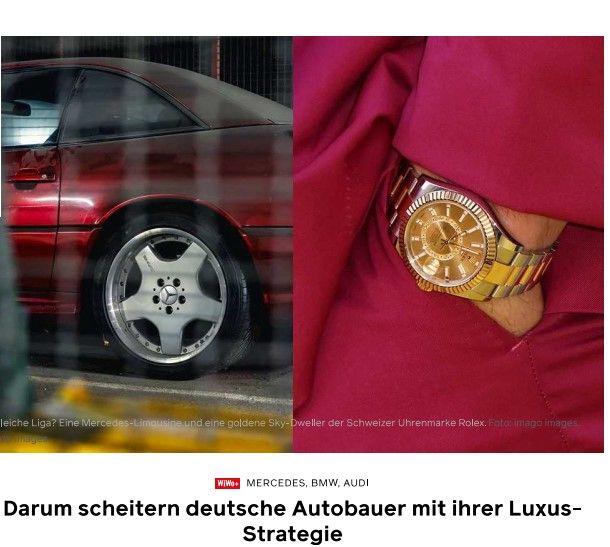
press November 2024 Why German car manufacturers are failing with their luxury s...
WirtschaftsWoche by Nele Antonia HöflerAchim lends his expertise on luxury strategy to examine the German auto industry's challenges.
In their ambition to establish themselves as luxury brands, German carmakers such as Mercedes, BMW and Audi are encountering obstacles. Despite efforts to appeal to high-end consumers, they are struggling to differentiate from the mass market and establish a true sense of exclusivity.
press October 2024 Luxury online retail – Mytheresa is now facing these challen...
WirtschaftsWoche by Nele Antonia HöflerIn an article in WirtschaftsWoche, Achim comments on the challenges that online luxury retailers like MyTheresa are currently facing and how they can overcome them.
MyTheresa has announced plans to acquire rival Yoox Net-a-Porter in a bid to become the leader in online luxury e-tailing. However, the company faces several challenges as demand for luxury goods has weakened due to uncertain consumer sentiment and rising prices of luxury goods. In addition, luxury brands are increasingly turning to direct sales and moving away from multi-brandplatforms. Growth alone is no longer sufficient for luxury online players; instead investors are now demanding profitability. MyTheresa plans to overcome these hurdles through synergies, a curated offering and the integration of YNAP's platform and customer data.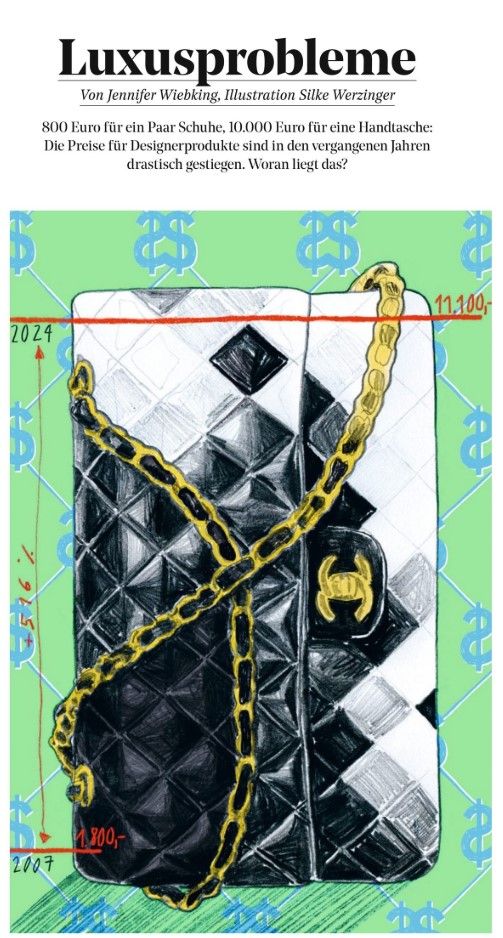
press September 2024 LuxuryProblems
FAZ Magazin by Jennifer WiebkingAchim talks with Jennifer Wiebking from the FAZ about the luxury goods boom, the COVID effect, and why the industry is now suffering a post pandemic hangover.
Luxury fashion prices have risen dramatically, with Chanel's iconic 11.12 bag increasing by 470% since 2007, reflecting broader hyperinflation across the industry. As a result of the massive price increases, more accessible luxury brands such as Longchamp and new entrants such as Polène are gaining popularity, offering high quality products at relatively lower prices amidst rising consumer price sensitivity.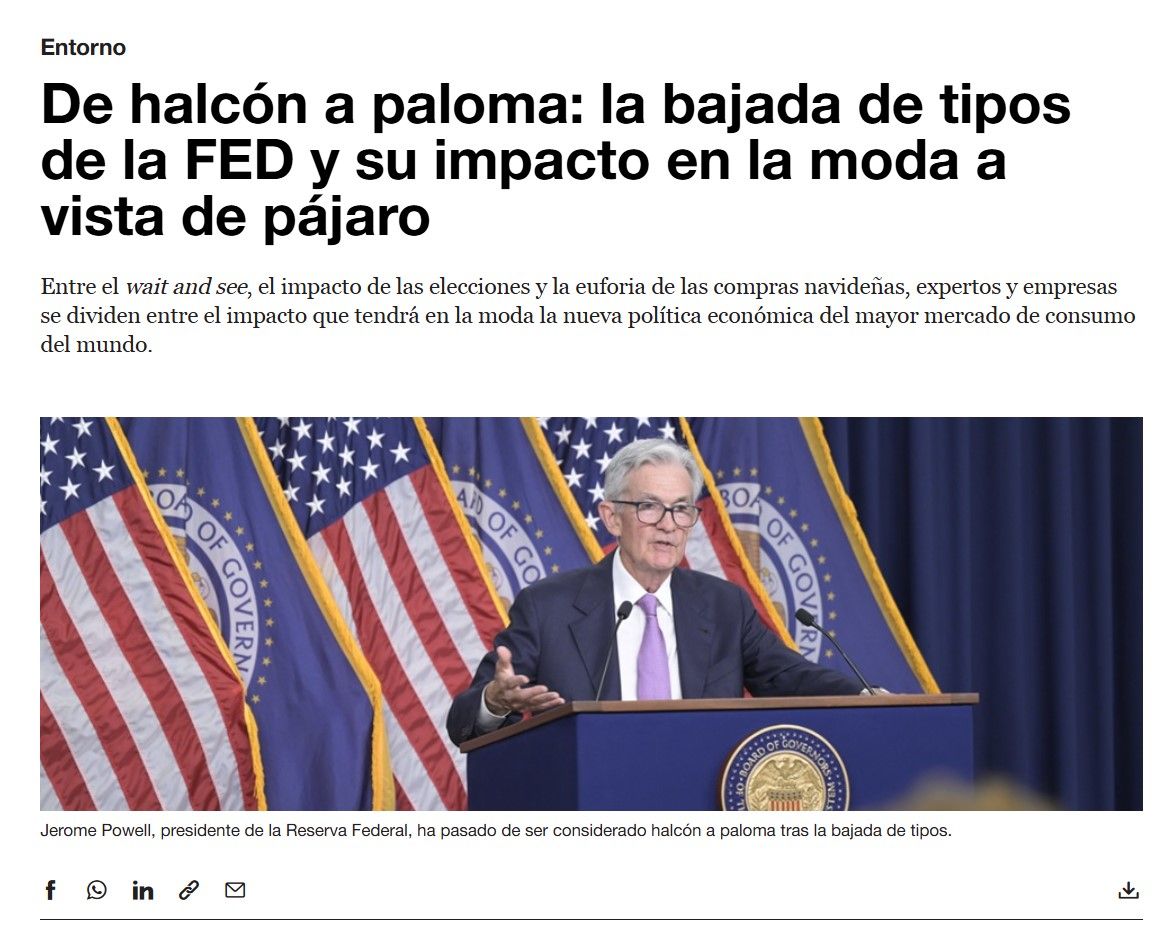
press September 2024 From hawk to dove: the Fed's rate cut and its impact on fash...
Modaes.com by Pilar RiañoIn a discussion with Modaes journalists, Achim shares his perspective on the impact of interest rates on the fashion industry.
The FED’s recent interest rate cut, the first in over four years, has sparked mixed reactions in the fashion industry. Some experts believe it could stimulate consumer spending, especially during the holiday season, while others think its effects may take time to materialize, and the upcoming U.S. elections could heavily influence its impact. The rate cut is expected to weaken the dollar, potentially reducing costs for European fashion companies sourcing materials from abroad but making exports to the U.S. more expensive.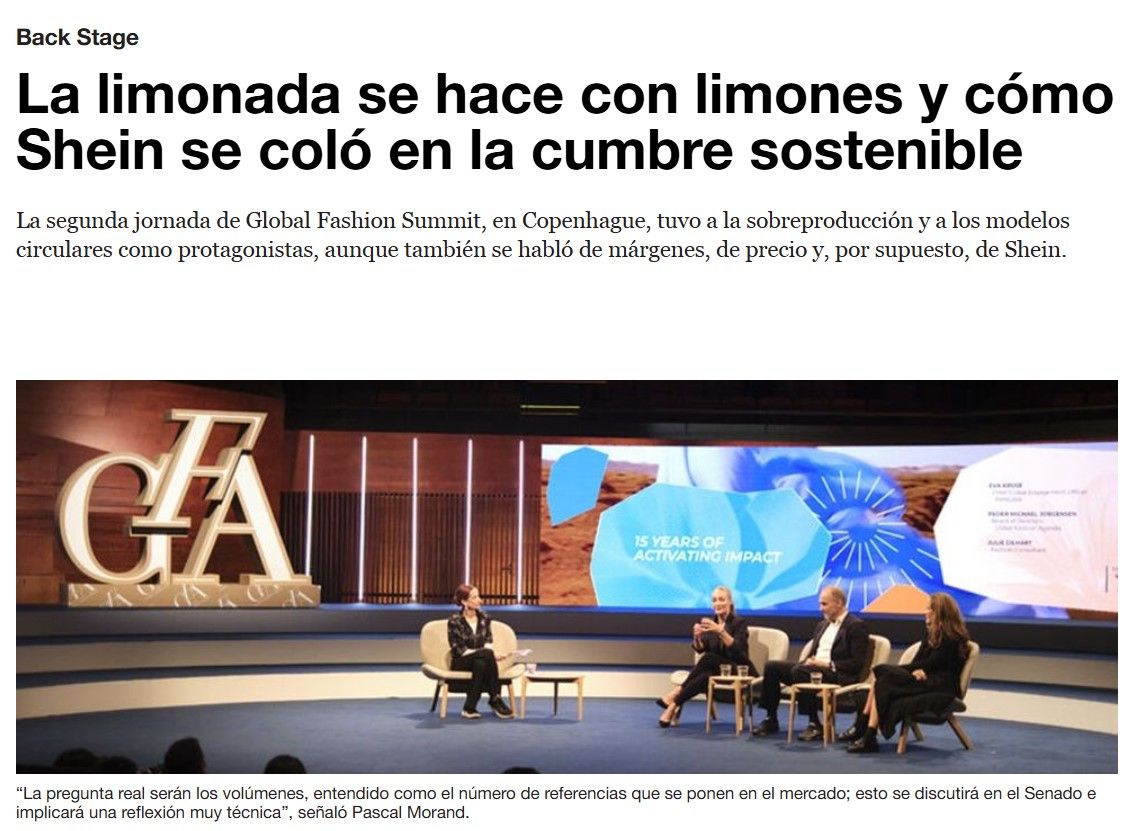
press May 2024 Lemonade is made with lemons and how Shein snuck into the Su...
Modeas.com by Pilar RiañoAchim speaks about circular business models, emphasizing the need to make these models more profitable in order to achieve sustainable growth.
The second day of the Global Fashion Summit in Copenhagen focused on sustainability, circular business models, and overproduction, with critiques of the fashion industry's current practices, including Shein's business model. Speakers emphasized the need for transformative change in the industry, highlighting circularity, creativity, and new regulations, while acknowledging challenges like reduced margins and increased complexity. The French government’s anti-Shein law, aimed at fast fashion regulation, and the call for companies to adapt to new market trends, were key topics discussed.
press February 2024 Mango appoints renowned fashion industry expert Dr. Achim Be...
www.mangofashiongroup.com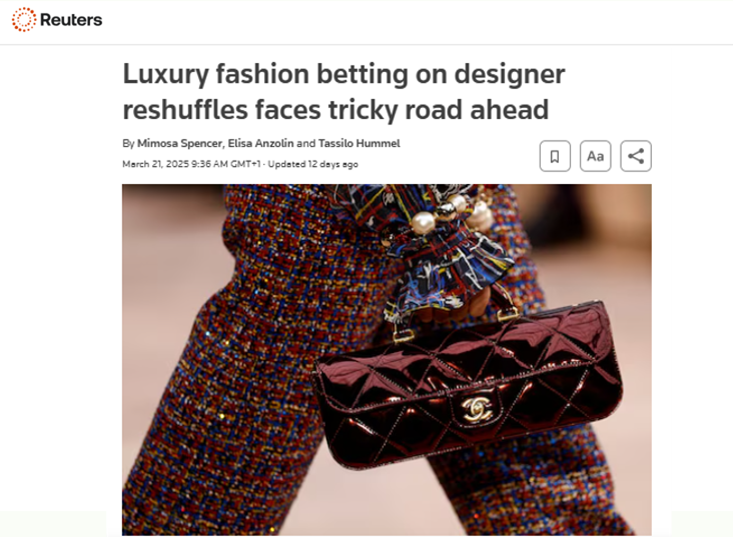
press March 2025 Luxury fashion betting on designer reshuffles faces tricky r...
Reuters by Mimosa Spencer, Elisa Anzolin & Tassilo HummelAchim shares his opinion on fashion’s current high musical chairs and their broader impact on the industry.
Luxury fashion houses are undergoing unprecedented designer reshuffles to boost brand appeal amid slowing sales and shopper fatigue. Achim notes that while brands often expect quick results from these creative leadership changes, the internal impact across departments - especially merchandising and marketing - takes time to become visible to consumers. He emphasizes that the ongoing wave of creative leadership changes signals a broader inflection point for the luxury industry. While proactive change is essential during periods of stagnation, brands must weigh short- and long-term consequences, which often exceed initial expectations in today’s volatile market.
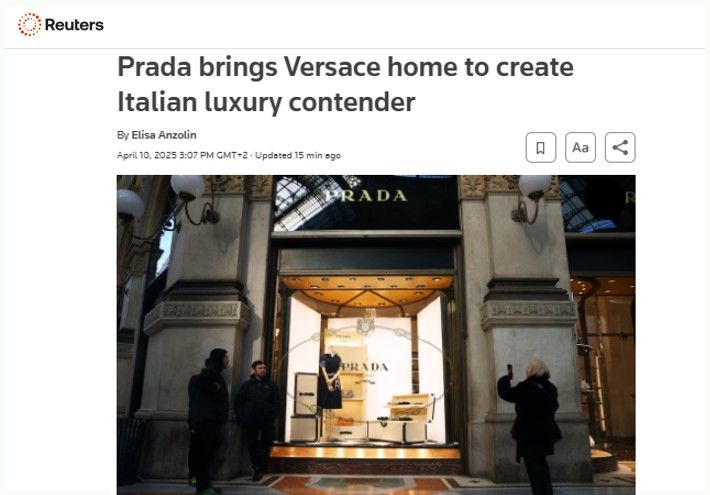
press April 2025 Prada brings Versace home to create Italian luxury contender
Reuters by Elisa AnzolinAchim comments on Prada’s acquisition of Versace and its significance for Europe’s luxury landscape.
Prada’s deal to buy Versace signals a strategic push to build a true Italian powerhouse in global fashion. Achim considers this a pivotal step toward rebalancing Europe’s luxury landscape, long dominated by French conglomerates. Despite Italy’s strong “Made in Italy” image of trust and quality, the country has lacked a player of comparable scale. This move brings Versace, previously owned by US-listed Capri Holdings, back under Italian control, marking a shift from fragmented past efforts to a more consolidated national vision. Achim notes that unlike earlier small-scale ventures that failed to gain traction, this deal carries real strategic weight and long-term ambition.
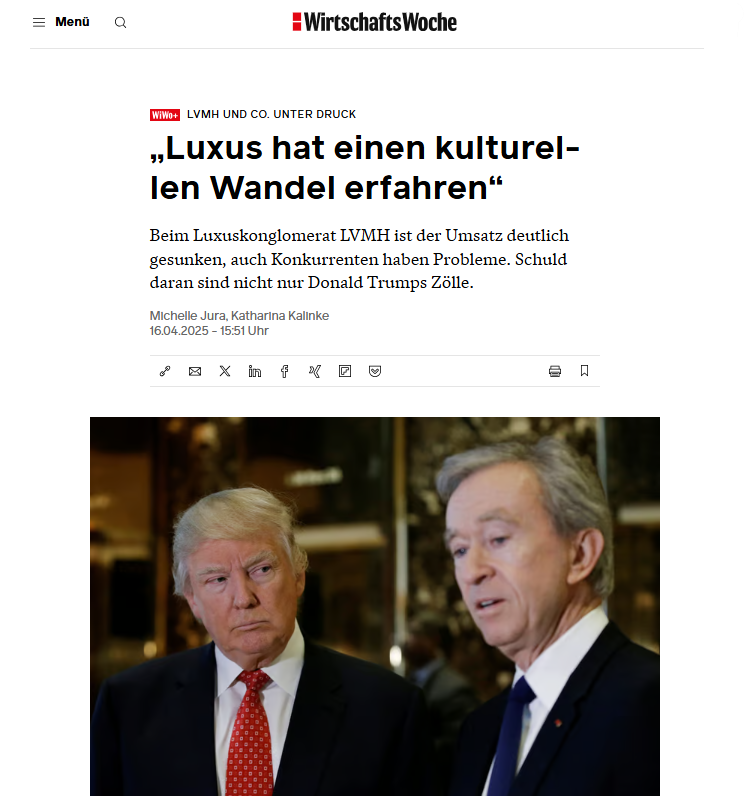
press April 2025 Luxury has experienced a cultural change
WirtschaftsWoche by Michelle Jura & Katharina KalinkeAchim comments on the democratization of luxury and the industry’s structural problems.
Following LVMH's weak quarterly results and falling share price, the downturn goes far beyond Trump's looming tariffs. They are just the latest piece in a much larger, already crumbling puzzle. Economic uncertainty continues to weigh on consumer confidence, but attributing the decline solely to external factors oversimplifies the luxury sector's deeper structural problems. Achim points out that internal missteps have also played a significant role. Years of aggressive price increases and efforts to make luxury more accessible to a broader audience have eroded the exclusivity that once defined luxury brands. He describes this as the democratization of luxury, a reflection of a broader cultural shift with a new understanding of luxury that is more experiential and value-driven than materialistic.
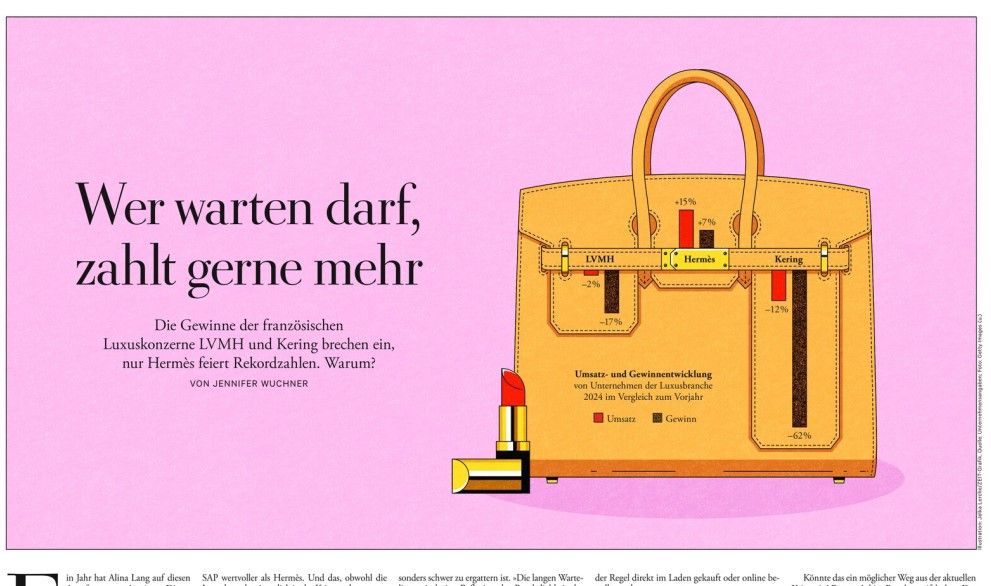
press May 2025 Those who choose to wait gladly pay more
Die Zeit by Jennifer WuchnerAchim reflects on why Hermès continues to thrive amid a broader luxury downturn.
While most luxury brands are reporting sharp revenue declines, Hermès remains one of the few brands still growing, thanks to a model based on exclusivity and controlled scarcity. With highly limited production and years-long waiting lists, the brand's desirability continues to grow. Unlike other luxury houses that have begun to expand their product lines to reach a broader audience and raised prices too aggressively, Achim notes that this strategy of artificial scarcity is what sets Hermès apart. In his view, chasing volume through entry-level segments won't solve the crisis, as the real money is still made in handbags, where margins are highest.
linkedin January 2026 Smatch - raised €7.3m in Seed funding.
smatch is an AI-powered B2B marketplace transforming how unsold fashion hashtag#inventory is traded globally. By intelligently matching each item with the right buyer, smatch helps sellers regain control over distribution and margins, while buyers gain real-time access to a wide range of verified inventory. All transactions are discreet, fast, and data-driven. The opportunity is significant. In Europe alone, an estimated €300bn worth of fashion inventory is either heavily discounted or never sold, impacting profitability, brand equity, and sustainability efforts. Since launching in 2023, more than €15bn in inventory and 190 million items have offered to the platform. To support the next stage of growth, the team around Dr. Max Groberg and Dr. Hans-Martin Vetter has now raised €7.3m in Seed funding. The round was co-led by Transition Ventures, 42CAP, and 10x Founders, with backing from exceptional industry leaders including Noel Kinder (lululemon, former Nike CSO), Nigel Griffiths (former adidas SVP Global Sales), and myself.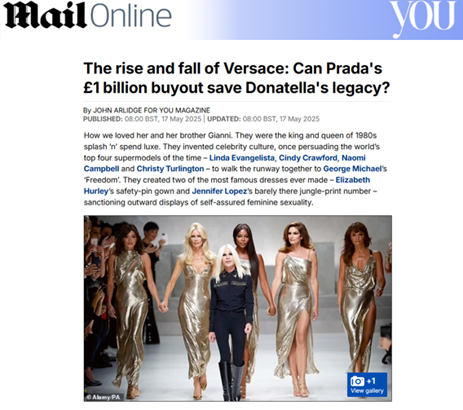
press May 2025 The rise and fall of Versace: Can Prada’s £1 billion buyout ...
Daily Mail You Magazine by John ArlidgeAchim shares his perspective on what is next for Versace after its acquisition by Prada Group.
With strong brand equity and a globally recognized identity, the foundations for Versace's new era are in place and Prada is a fitting new owner to build on. The Group brings cultural alignment, capital to invest, and strong product and marketing expertise. But structural change will be key, Achim notes. Versace's huge retail footprint doesn't match its current sales. He emphasizes the need to rethink its store strategy - possibly swapping some locations with Miu Miu - and anticipates leadership changes between Versace and Prada executives. These moves will set the stage for a broader creative and commercial reset. If executed well, Achim predicts significant sales growth in the coming years.
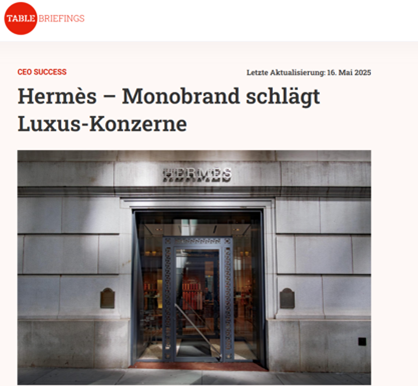
press May 2025 Hermès – The monobrand that beats big luxury conglomerates ...
CEO.Table Table Briefings by Kristian Kudela & Deniz Karaaslan,Achim explains Hermès’s continued success in a volatile market environment.
Hermès recently surpassed LVMH in terms of market capitalization, temporarily becoming the world's most valuable fashion company. This prompted many to take a closer look at its business model. Achim points out that Hermès has never reinvented itself - consistently building on quiet luxury desirability and strict distribution control. Many of its products have long waitlists, which further fuels this. Achim notes that this scarcity elevates brand perception and sustains product value over time. Consequently, Hermès bags often exceed their original retail price on the resale market, solidifying their status as timeless luxury investments.
linkedin November 2025 From Family Vineyards to the Renaissance of German Sparkling
I grew up in the Rheingau, spending countless weekends helping my parents in the family vineyards. Back then, we didn’t make our own wines as we were part of a cooperative. Years later, while supporting the VDP.Die Prädikatsweingüter (the Association of German Fine Wine) on strategic topics, I met Steffen Christmann, the VDP president and owner of Weingut A. Christmann. In 2019, a simple idea - “let’s do something together” - led to the creation of Sektgut Christmann & Kauffmann, Germany’s response to grower Champagne. Our mission: to craft authentic, hand-made sparkling wines from biodynamic vineyards that express their origin. We believe great wines tell their story through the soil. None of this would be possible without an incredible team of friends: Steffen and Sophie Christmann, 6th and 7th generation winegrowers, and Mathieu Kauffmann, former Chef de Cave at Champagne Bollinger and a true pioneer of German Sekt. Today, Christmann & Kauffmann takes an exciting step from infancy to adolescence as we release our first meaningful volumes of single-vineyard sparkling wines. Don’t miss this unique expression of our terroirs.linkedin January 2026 It all comes down to this one moment: the assemblage.
In the fascinating process of making sparkling wine, few steps are as critical, or as exciting, as this. At Sektgut Christmann & Kauffmann, it’s one of our annual highlights. Yesterday marked my sixth assemblage, working side by side with Sophie and Steffen Christmann, and our sparkling wine wizard, Mathieu Kauffmann - former chef de cave at Champagne Bollinger. At our sparkling winery, we follow the méthode champenoise, beginning with the production of still base wines. Then comes the assemblage, where we blend these wines (or not!) to define the final style before secondary fermentation. The assembled wine is bottled with yeast and sugar to spark a second fermentation in the bottle, creating natural carbonation. It’s then aged on its lees to develop complexity, before undergoing riddling, disgorgement, (no dosage!), and final corking. The assemblage is a thrilling moment. We taste through wines from over 40 different plots and decide which will go into our two main cuvées - the 100 series (Riesling) and 200 series (Burgundy varieties) - and which are destined to become single-plot Soliste wines. My partners in crime and our team handle the heavy lifting, but I always enjoy being part of the process and learning more each time: especially knowing that what we shape today won’t reach the market for another 3 to 8 years, after second fermentation and disgorgement. Sparkling wine demands patience and vision.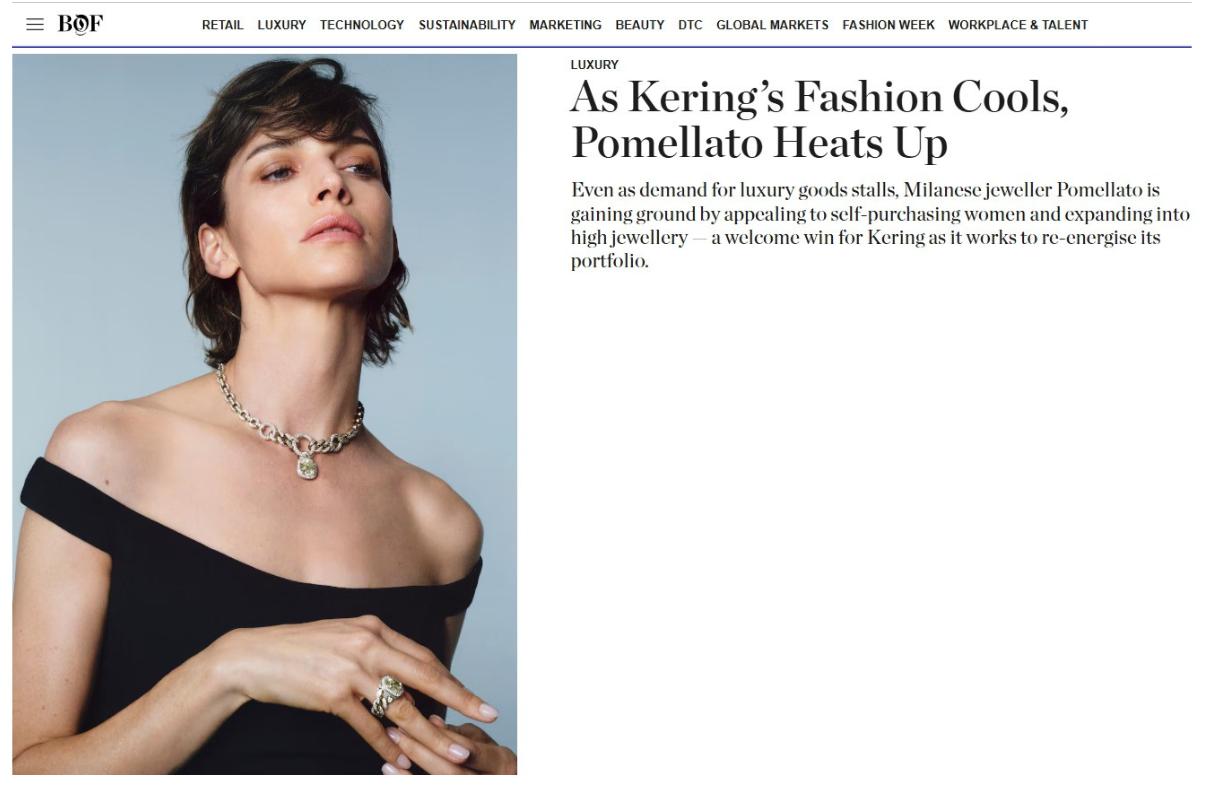
press June 2025 As Kering’s Fashion Cools, Pomellato Heats Up
BoF by Ming LiuAchim discusses how high-end jewellery is outperforming other luxury categories in times of economic uncertainty.
The Pomellato brand stands out as a positive performance outlier within parent company Kering, offering a blueprint for a shifting luxury landscape and overall industry phenomenon. While the demand for many luxury goods has softened, Achim notes that jewellery is gaining appeal due to its timeless nature and intrinsic value. Compared to other luxury items, it is viewed as a more solid, investment-worthy purchase. Achim also highlights that demand remains robust among high-net worth individuals, who are less affected by economic or geopolitical concerns. For brands, this makes high-end jewellery a strategic category to connect with a more resilient target segment.
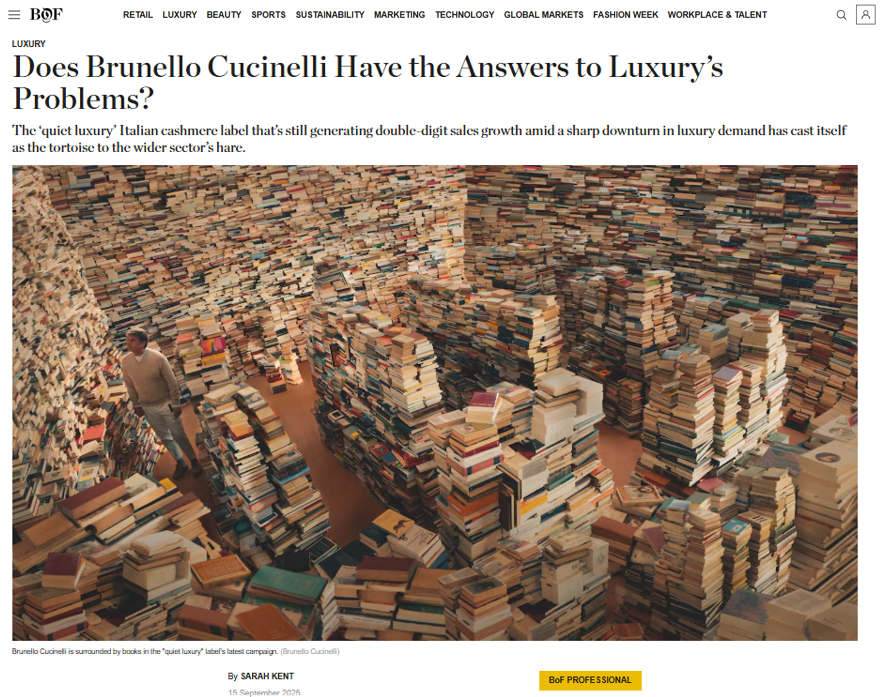
press September 2025 Does Brunello Cucinelli Have the Answers to Luxury’s Problem...
BoF by Sarah KentAchim comments on how Brunello Cucinelli demonstrates resilience in a slowing luxury market.
Brunello Cucinelli is among the few luxury houses projecting double-digit growth in 2025, clearly outperforming both fellow high-end brands and the broader industry. Beyond consistently prioritizing sustainable growth over short-term profitability and targeting a narrow segment largely unaffected by the current economic downturn, Achim emphasizes that embodying restraint and enduring quality has become one of the brand’s key differentiators and success drivers.
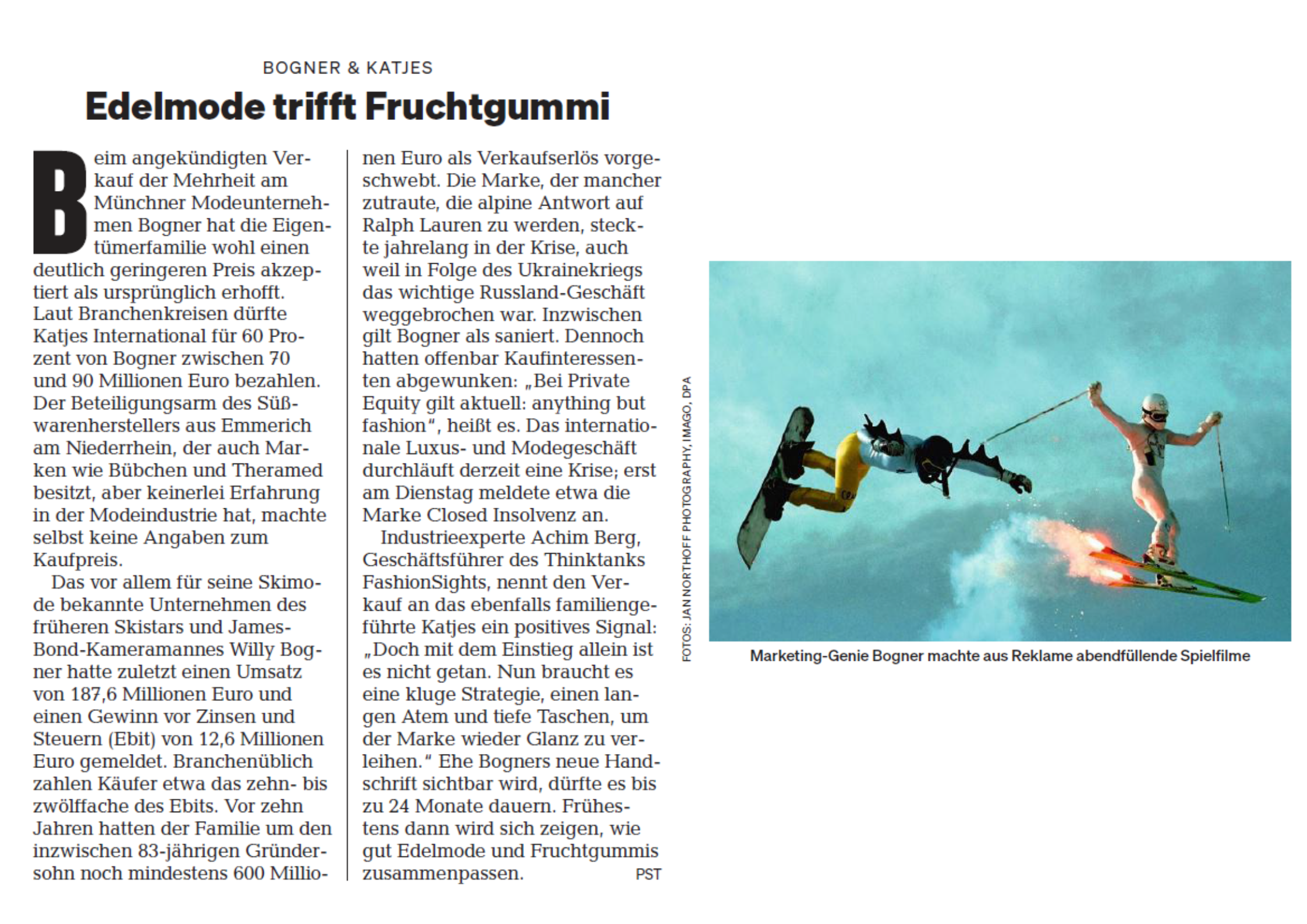
press August 2025 Edelmode trifft Fruchtgummi
FOCUS MagazinAchim comments on Katjes’ acquisition of a majority stake in Munich-based fashion house Bogner.
German confectionery manufacturer Katjes has acquired a 60% stake in premium fashion brand Bogner, previously fully owned by its founding family. Achim views the deal as a positive signal amid today’s challenging fashion and luxury M&A landscape. He further highlights that a long-term strategy, adequate resources, and patience will be key to successfully repositioning and revitalizing the brand.
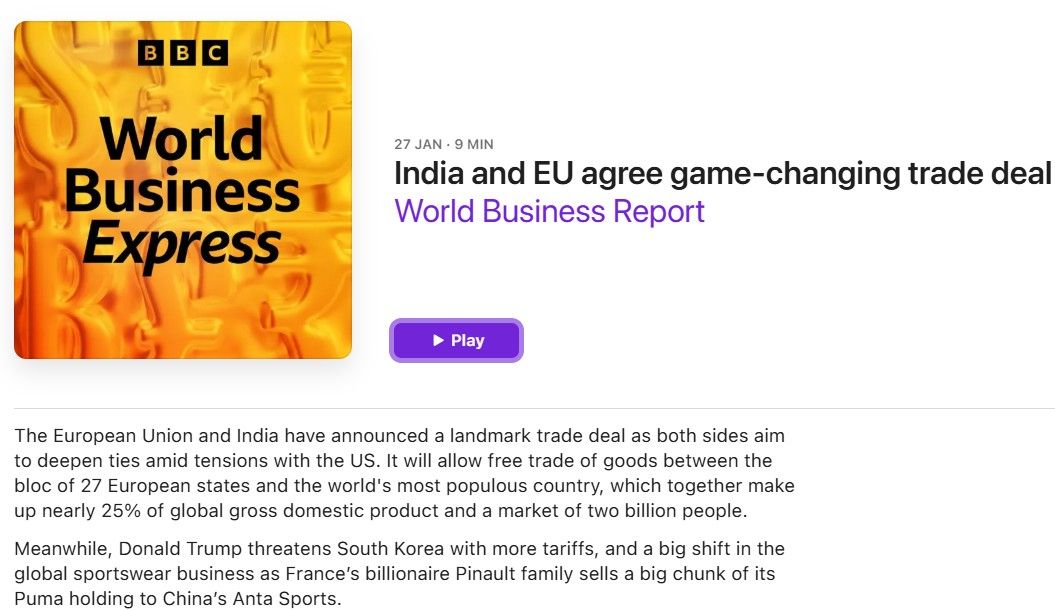
press January 2026 India and EU agree game – changing trade deal
BBC World Business Report podcast with Leanna ByrneAchim comments on how ownership changes are reshaping the global sportswear and fashion industry.
There’s been a big shift after the Pinault family’s decision to sell its remaining stake in Puma to China’s Anta Sports. Achim discusses the reasoning behind the sale, Puma’s history and position as a brand and Anta’s plans going forward. He also shares his observations on Anta’s growing Western portfolio and what the acquisition means for them as a company.


